AI Agent for Every Pilgrim
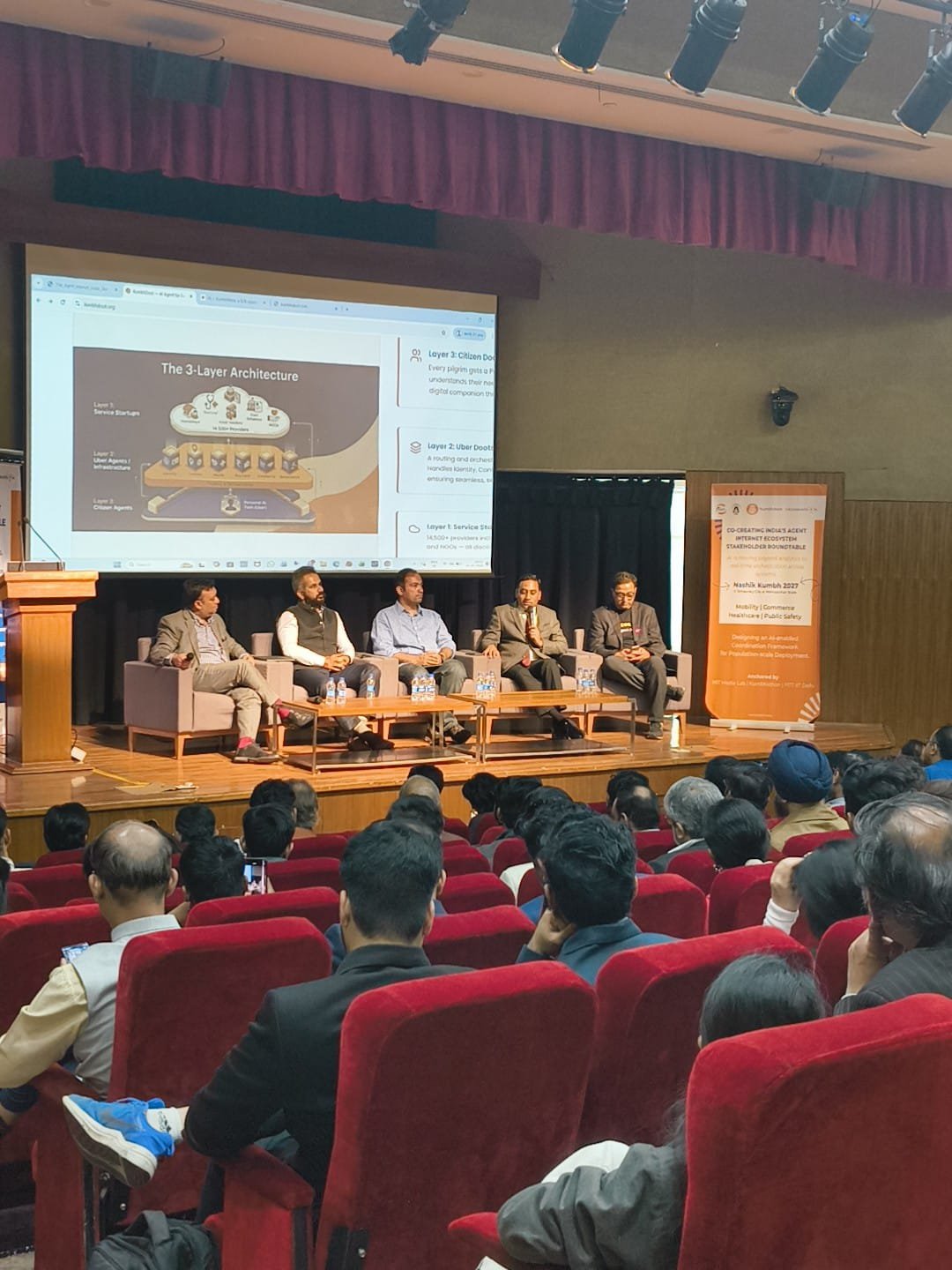
- Each pilgrim receives a personal AI agent
- The system works through voice interfaces in 20+ Indian languages
- It integrates with India’s Digital Public Infrastructure such as UPI, DigiLocker, and ONDC
- AI agents coordinate with transport, police, health services, vendors, and administration in real time.
Through this “Agentic Kumbh” model, governance shifts from reactive crowd management to anticipatory coordination, where anonymized demand signals from millions of pilgrims help the system optimize services and safety.
What is Kumbh Doot
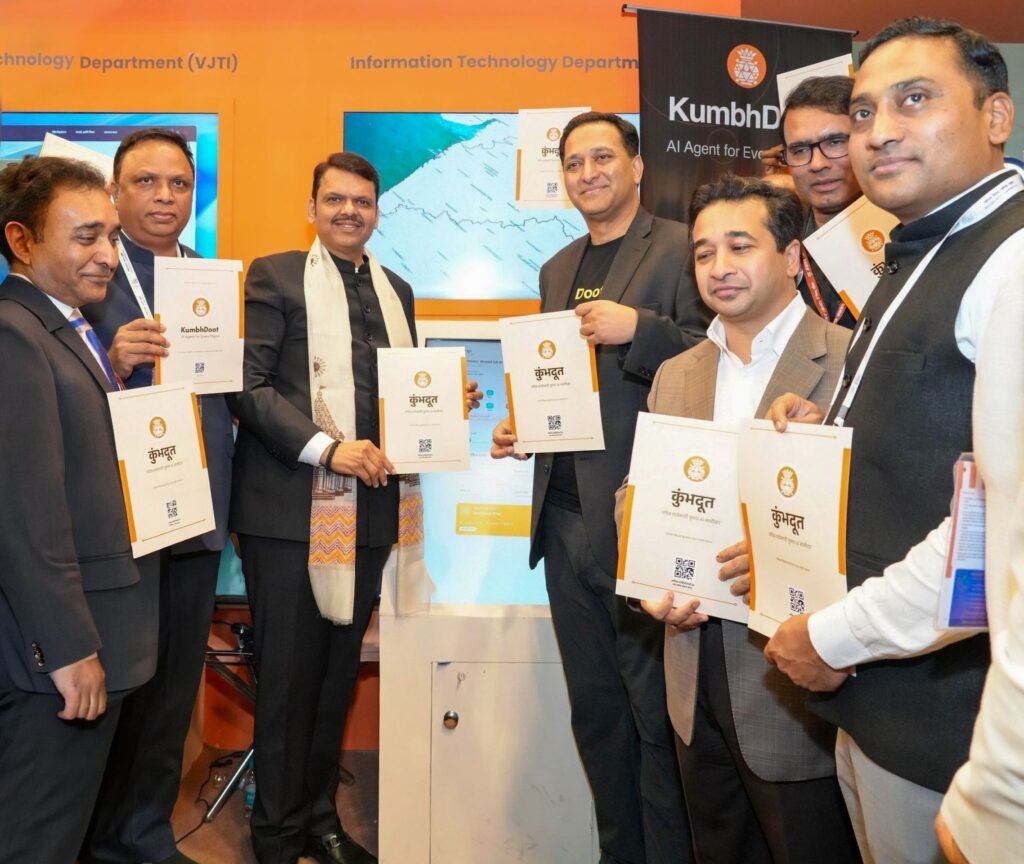
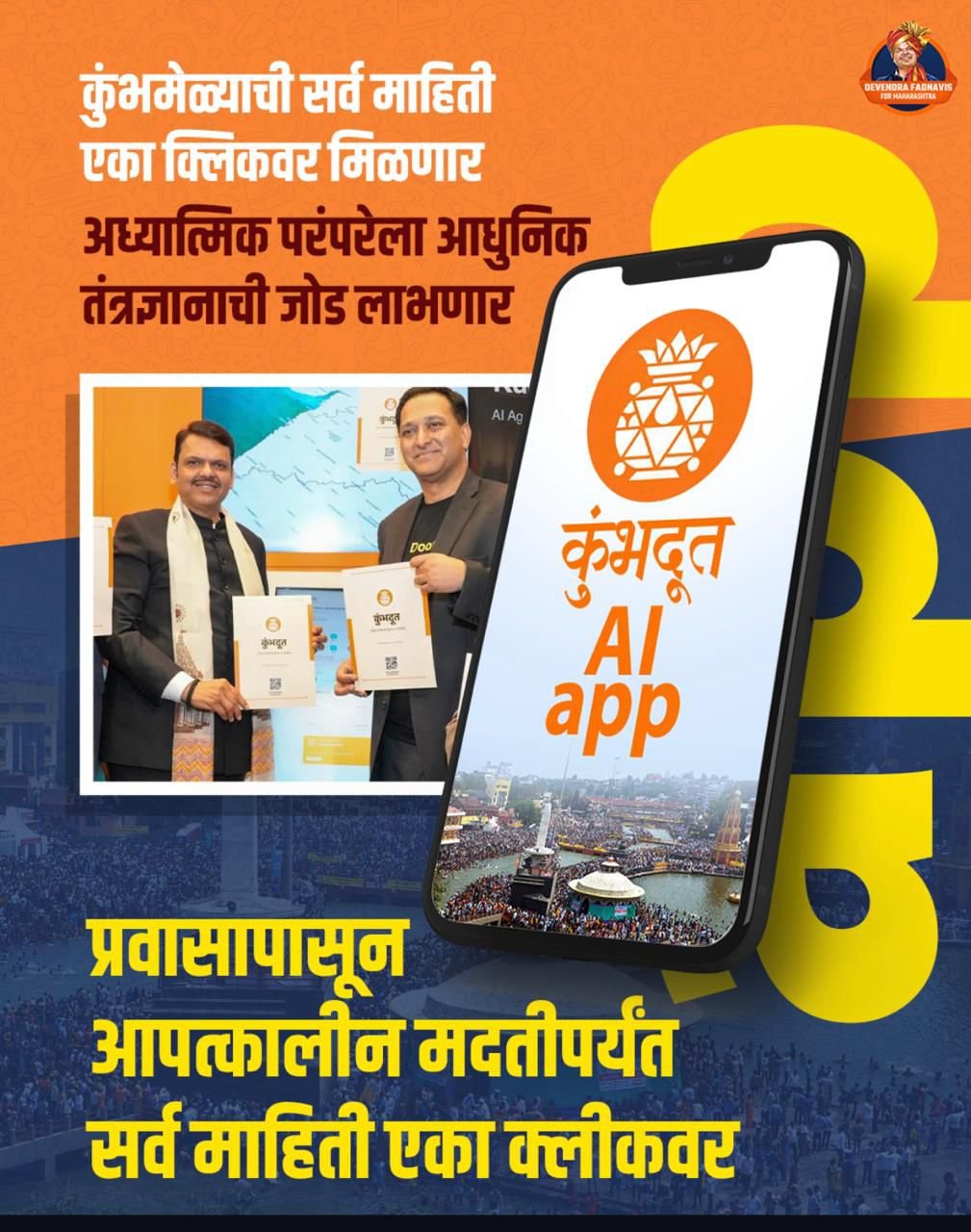
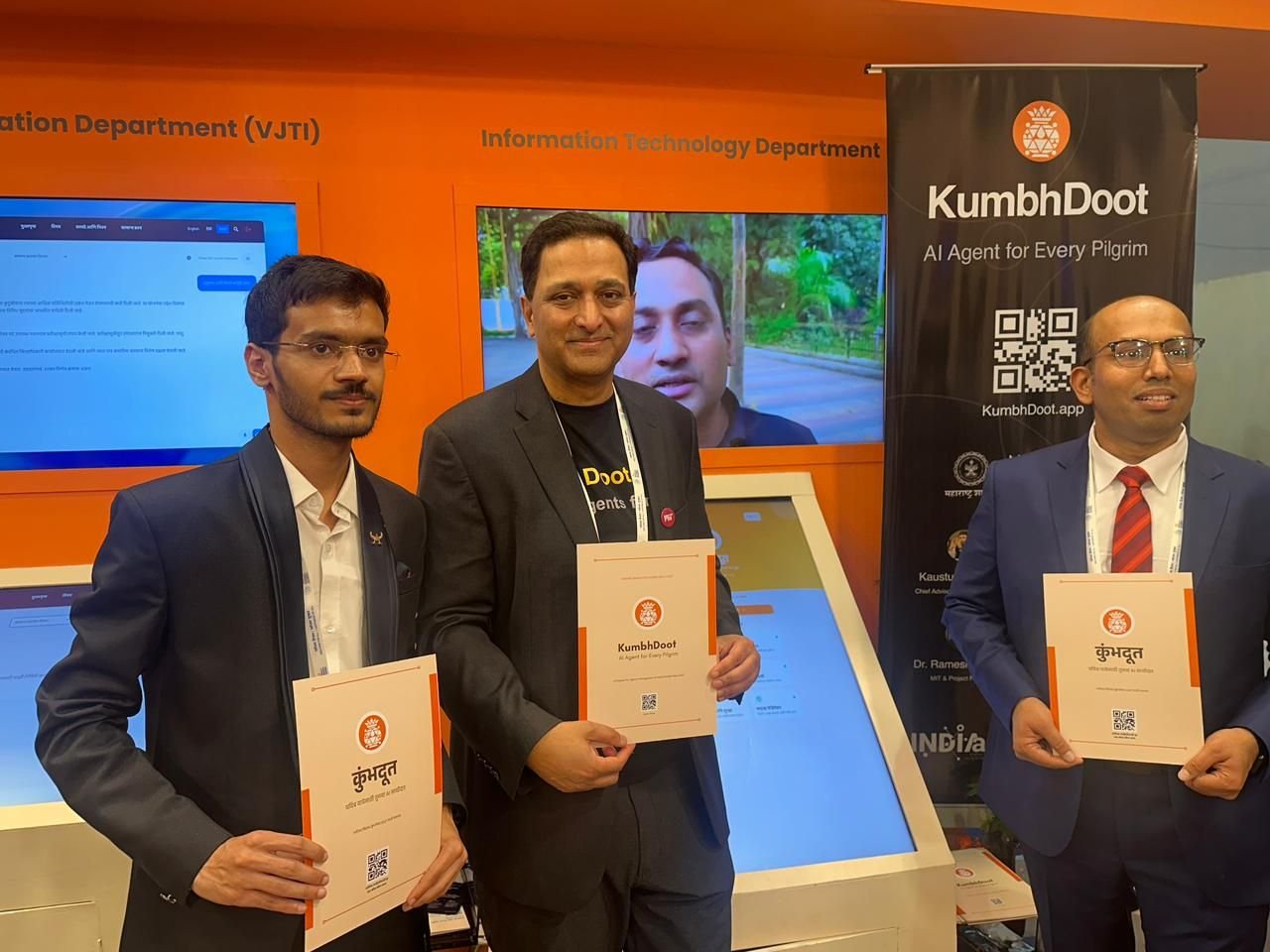
Kumbhdoot is a visionary, technology-led initiative conceived by Ramesh Raskar (MIT Media Lab & Project NANDA) and inaugurated by Hon’ble Chief Minister Shri Devendra Fadnavis as part of the vision to build a technologically advanced and future-ready Nashik Kumbh Mela While cutting-edge technology has the power to transform large-scale public events, its real impact emerges only when innovation is deeply anchored in the realities of the ecosystem it serves.
Kumbhathon Innovation Foundation plays a critical enabling role in this context bringing together on-ground insights, ecosystem understanding, and practical viability inputs drawn from years of engagement with the Nashik innovation landscape and the operational realities of the Kumbh.
By bridging visionary technology with lived context, Kumbhathon helps ensure that initiatives like Kumbhdoot are not only technologically advanced, but also practical, deployable, and meaningful at scale.
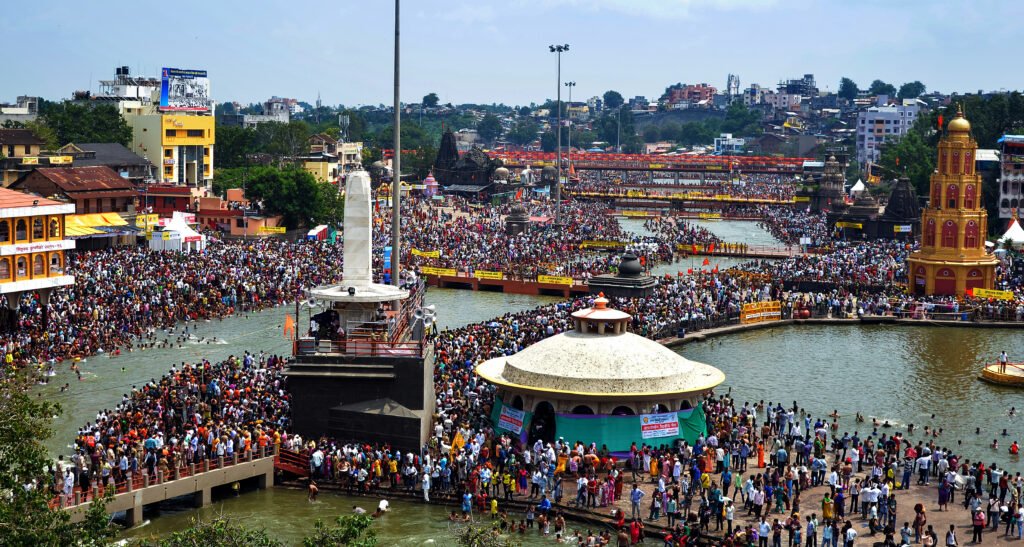
Towards an AI-First Kumbh
Project NANDA’s decentralized AI architecture
Kumbhathon’s innovation ecosystem
Kumbhdoot’s agent-based platform
On-ground research of Nashik
The initiative aims to create a new model of city-scale coordination.
In this way, Nashik is not only hosting the next Kumbh it is becoming a living laboratory for the future of decentralized, AI-driven public infrastructure.